
Advancing the Next Generation of Zero-Emission Vessels
The ELEKTRA project (Electrification and Low-emission Energy systems for the Knowledge-driven Transformation of Resilient Advanced vessels) is a Horizon Europe Innovation Action focused on demonstrating next-generation battery-electric technologies for maritime transport.
Coordinated by the University of Strathclyde, the project brings together research institutions, technology providers, and maritime partners to accelerate the transition to zero-emission shipping. Running from 2026 to 2029, ELEKTRA will validate advanced energy storage and vessel design solutions in real operational conditions at TRL 7.
The project aims to enable fully electric operation of larger vessels, targeting a 40% increase in sailing range.
This would allow seagoing ships above 400 GT to reach 120 nautical miles or more without recharging, combining advanced battery systems, intelligent energy management, and innovative vessel integration to create scalable solutions for the maritime sector.

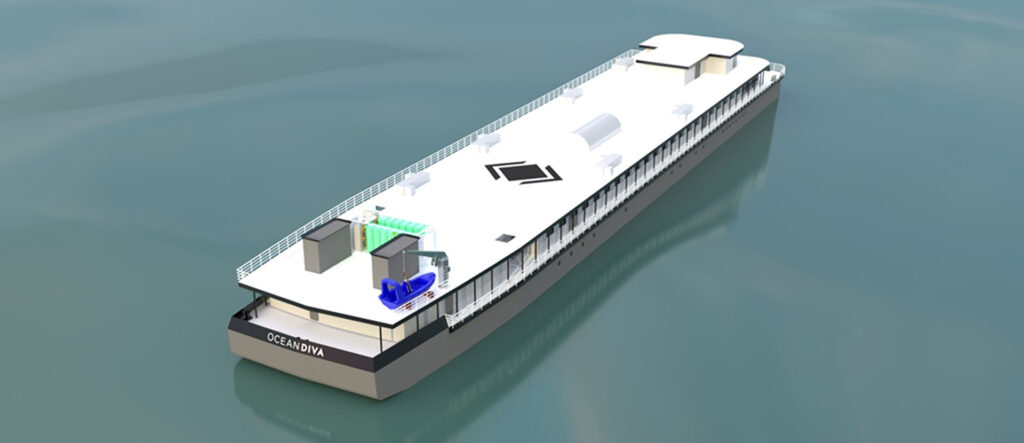
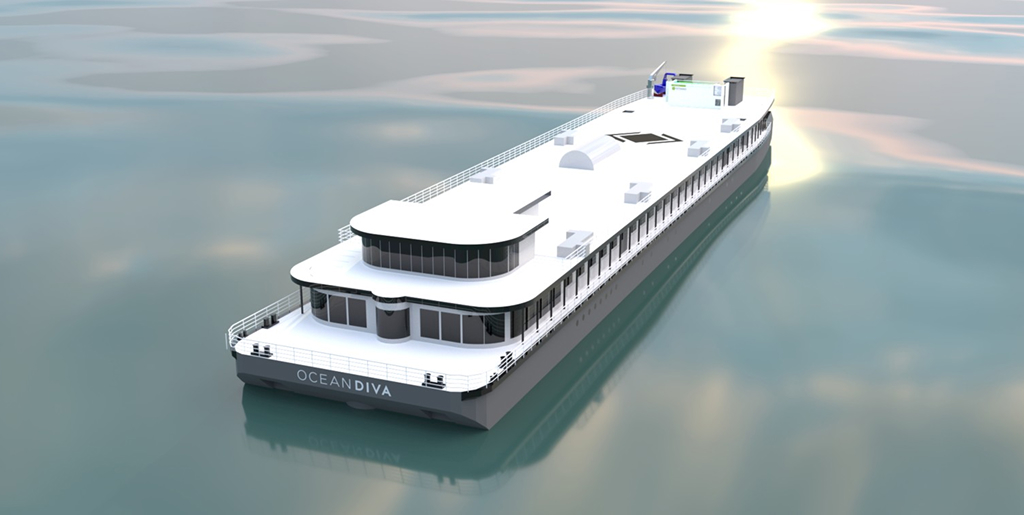
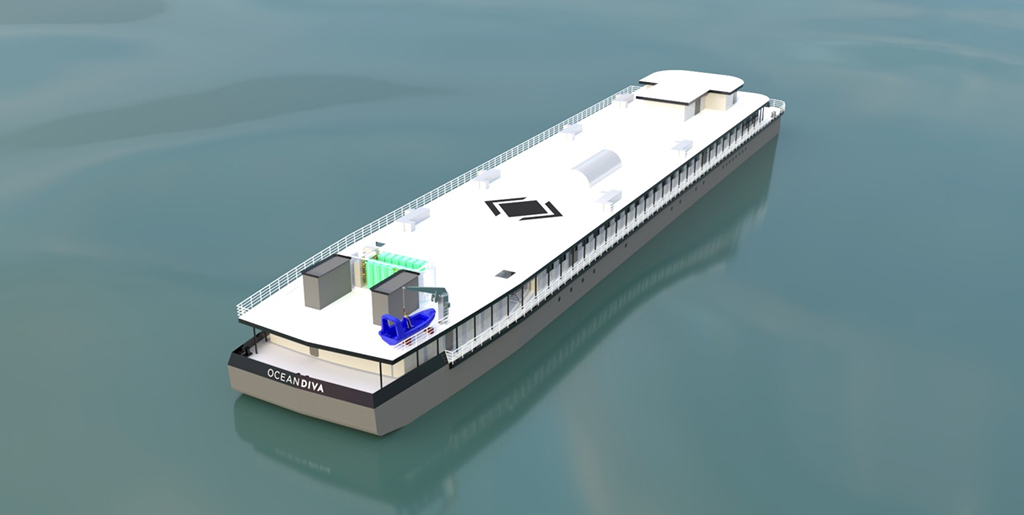
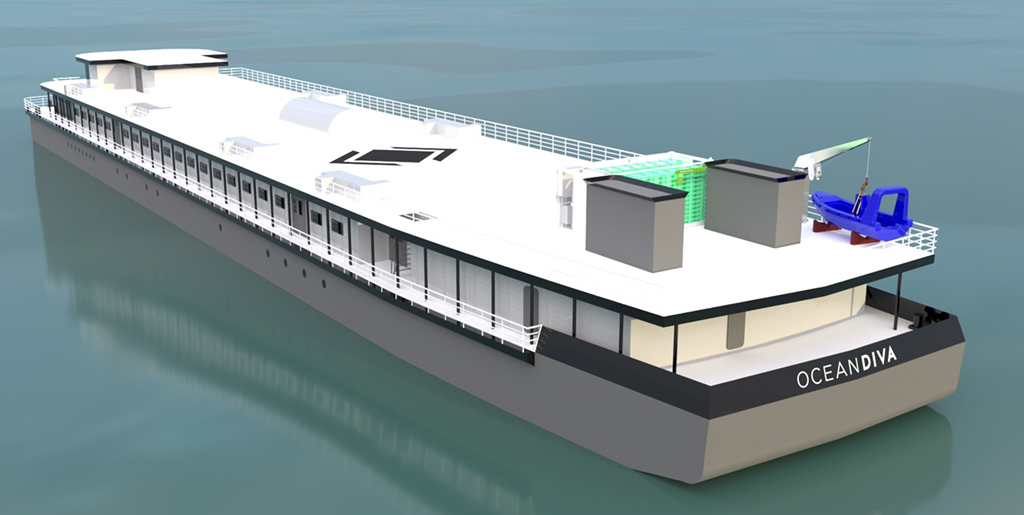
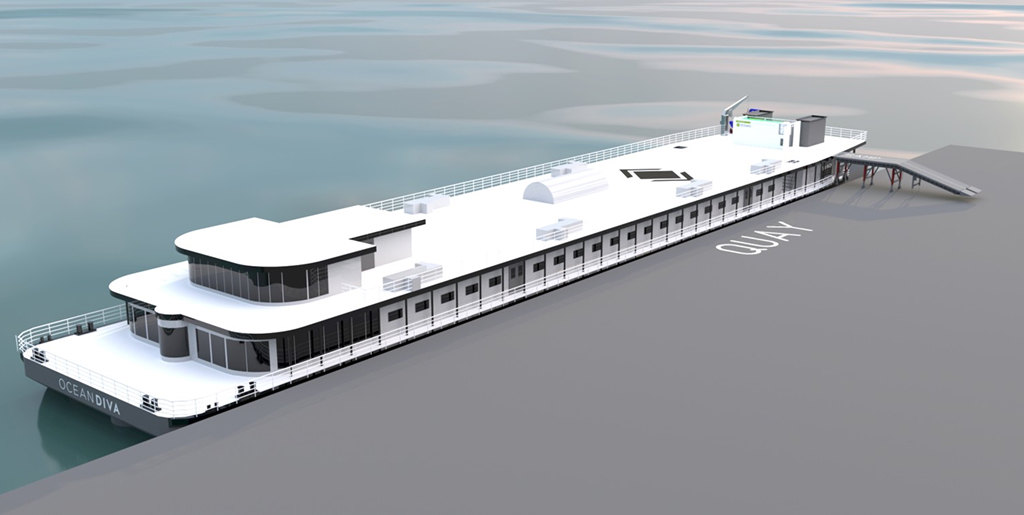
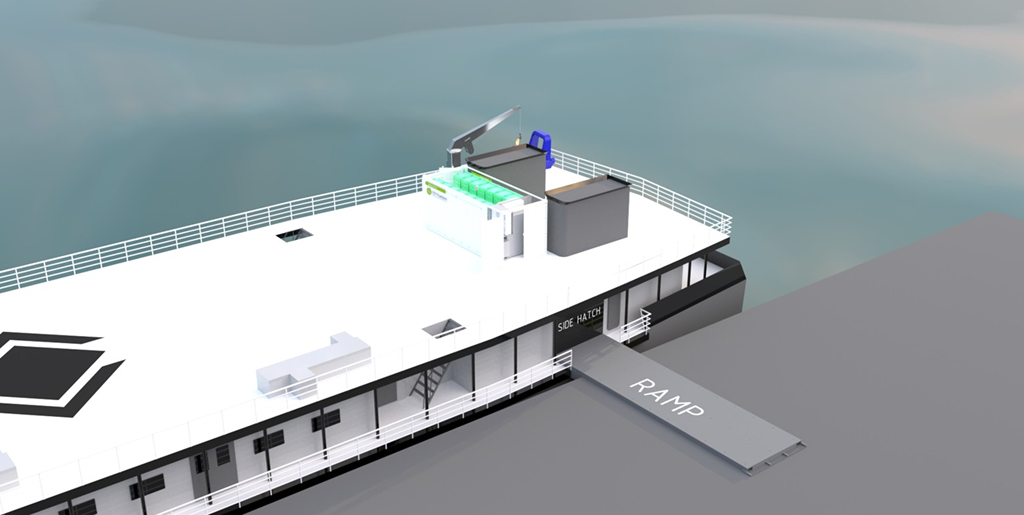
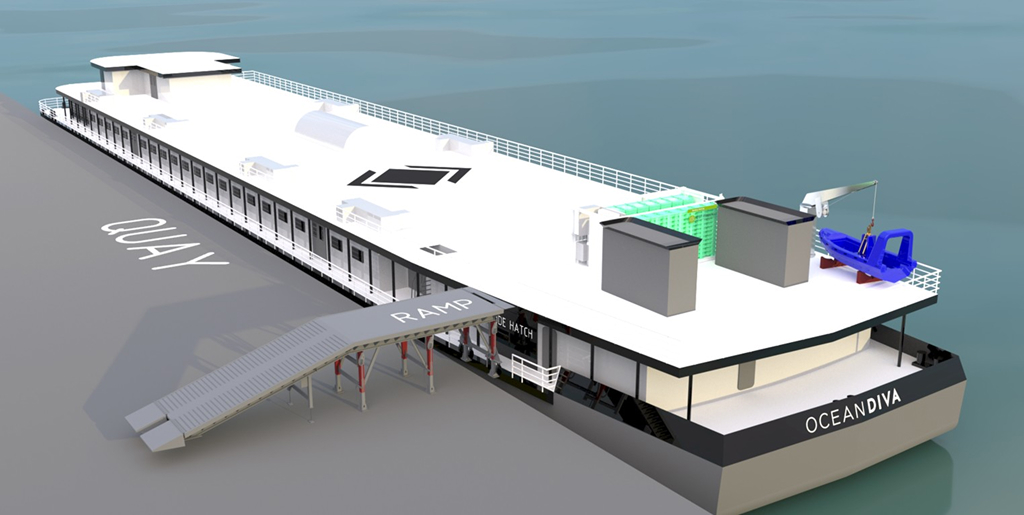
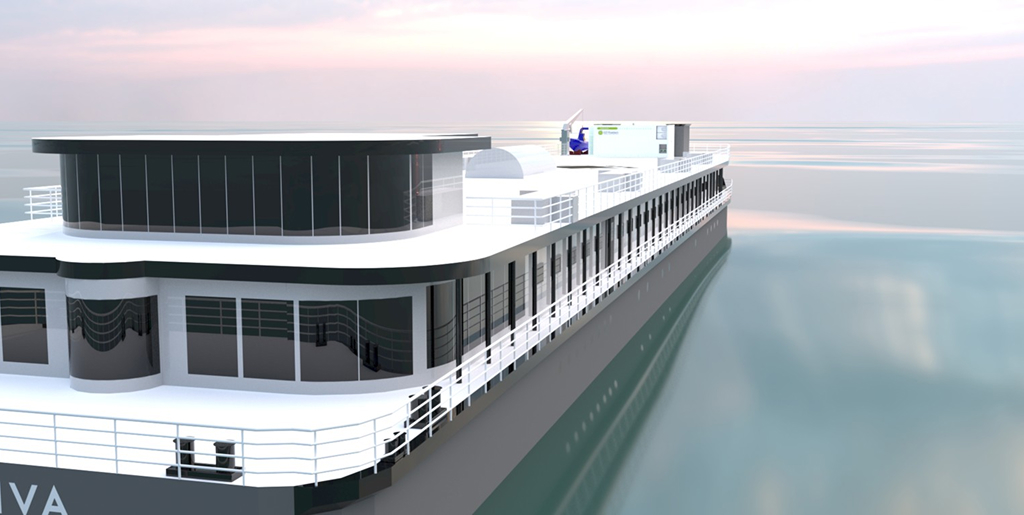
| MAIN DIMENSIONS | |
|---|---|
| Type of vessel | Inland passenger vessel Zone 2 |
| Length Overall | 88.60 M |
| Length B.P. | 74.74 M |
| Breadth (moulded) | 16.00 M |
| Depth – Bulkhead depth | 1.80/2.20 M |
| Depth – Upper Deck | 4.50 m (at the side) |
| Depth – superstructure deck | 7.24 M |
| Depth – top deck | 9.70 M |
| Draft (design) | 1.50 M |
| Clearance height | 8.85 m |
| Guests / catering staff | 1500 / 70 |
| Power | 2 × 380 kW / 515 HP |
| Service speed | 10.30 knots (≈ 19 km/h) |
| Tank capacities | To be determined (TBD) |
| Class | B SB / Zone N / NSI |
Key Objectives
Extending Electric Range
ELEKTRA will demonstrate solutions capable of increasing the all-electric operational range by 40%, significantly improving the feasibility of electric propulsion for larger vessels.
Innovative Energy Storage
The project will develop a modular, rechargeable battery container architecture designed for higher energy density and operational flexibility. The system aims to deliver at least a 10% improvement in energy density compared to current marine batteries.
Integrated Renewable Energy Systems
Hybrid renewable solutions will be incorporated to enhance energy efficiency, including:
- Solar photovoltaic panels
- Wind-assisted propulsion technologies
- Waste-heat recovery and advanced thermal management systems
Battery Lifetime and Safety Optimization
ELEKTRA will deploy an AI-driven Battery Management System (BMS) to improve battery lifetime by more than 20%, while ensuring safe operation through enhanced monitoring, thermal control, and fire protection strategies.
Rapid Charging and Battery Swapping
To maintain operational schedules, the project will demonstrate:
- Megawatt-scale fast charging systems (up to 3 MW)
- Automated battery-swapping solutions, enabling battery exchange in less than 30 minutes during port stops.
Replicability Across the Maritime Sector
A comprehensive case study will validate the replicability of ELEKTRA solutions for wider deployment across European shipping.
Strengthening European Technological Leadership
The project will contribute to European technological sovereignty by strengthening the competitiveness of EU maritime innovation.
Demonstration Vessel: E/V Ellen
A key demonstration platform for the project will be the electric ferry E/V Ellen, operated by Ærøfærgerne and owned by the Municipality of Ærø.
Originally developed under the EU-funded E‑Ferry project, E/V Ellen is one of the world’s largest fully electric ferries and provides an ideal platform for demonstrating next-generation battery technologies.
Within ELEKTRA, the vessel will be upgraded with a high-performance battery storage system, enabling:
- Extended electric sailing range
- Reduced battery weight
- Increased payload capacity
- Improved overall system reliability
The demonstration phase is scheduled for 2028–2029 and will be conducted during maintenance periods to avoid disruption to ferry operations.
Technological Innovations
ELEKTRA will push beyond the current state of the art through several key innovations:
Modular Battery Architecture
A multi-functional containerized battery system designed for flexible installation, swapping, and scaling
Advanced Vessel Integration
Innovative ship integration concepts optimized for electric propulsion and hybrid renewable systems.
Smart Charging Infrastructure
Megawatt-scale fast charging and “anytime, anywhere” battery replenishment technologies.
AI-Supported Energy Management
Digital twin models, predictive maintenance, and adaptive energy management systems to optimize performance.
Smart Navigation and Energy Optimization
Autonomous weather routing and hydrodynamic optimization integrated into vessel energy management.
Enhanced Safety and Regulatory Development
Advanced thermal management, fire safety solutions, and new safety guidelines for large marine battery installations.
